





Article
RecipeMapping
A good recipe for home cooking doesn't always work out when you attempt to replicate it in the restaurant. Startup restaurateurs find out quickly that a recipe intended to yield four, six or even 10 servings might not be practical when feeding dozens or even hundreds of guests - every day.
We've said it once, we'll say it again: Success in the restaurant business is often measured in pennies. Toss in an inaccurate order here, a dash of wasted product there, and mix in a bit of inefficient labor use, and you've got a recipe for slim margins. And while your friends and family never minded waiting an extra half-hour or so for your famous meatballs, your restaurant guests will not be so forgiving to slow service and inconsistency.
Related Online Course
-

Online Course
Menu Costing Basics
Knowing what each of your menu items costs to prepare is one of the most basic yet overlooked aspects of running a profitable restaurant. Costing out your menu can be an arduous task, but you must know your menu cost before you can make intelligent decisions on cost-cutting, price increases or other changes to your menu. This course teaches managers and owners how to implement a menu costing system ...

For good recipes to become great menu items, you must learn to make them pleasing to both your guests and your accountant. You must break them down into stages that assist purchasing and inventory control, organize prepping, reduce production time, and maximize yield. Then you must build them up to serve dozens of covers. We call it RecipeMapping® - a three-step process that allows you to add new items to the menu consistently, methodically and profitably. We hope it helps "map out" your strategy for adding items to your menu, as well as help you put your startup "on the map."
| Step 1 - Add Ingredients to the Master Inventory List | Step 2 - Create the Prep Stages | |
|
Every restaurant should maintain a Master Inventory List that includes all of the ingredients that a restaurant must use in the preparation of their menu items. This list can be maintained using a spreadsheet format that includes purchasing information such as the pack, size and price of the ingredients - information that is useful when creating other management forms such as inventory and order forms. But to accurately calculate the real cost to produce a menu item, the Master Inventory list should not only reflect the purchasing cost and unit of measure, but also the corresponding recipe cost and unit of measure. Any ingredient used in cooking can be expressed in one of three units of measure when using it in a recipe - weight measure (typically ounces or lbs.), volume measure (such as tsp.,tbsp.,cups, qts. or gal.), or by piece. Many products are purchased by weight units of measure but are measured for recipes in terms of volume (fluid) measure. To determine a true recipe unit cost, it can require measuring a pound of product to determine its recipe yield. |
Here we identify parts of the menu item that can be prepared prior to final cooking and presentation, to reduce the time from order to service. Even a simple, single menu item often requires several subrecipes that are produced in batch and become part of the routine preparation tasks. Each subrecipe is then added to the Recipe Manual for reference by the kitchen staff. The cost of each subrecipe ingredient is calculated by multiplying the number of recipe units used by the recipe unit cost listed in the Master Inventory. The subrecipe batch is then assigned its own recipe unit and cost based on to total cost to produce the batch and how much it yields. |
|
| Step 3 - Calculate Menu Item Cost | ||
|
Finally, the cost of the menu item is determined by calculating the cost of each individual recipe or ingredient needed to produce the menu item, then affixing a selling price that produces the desired profit. Restaurants should review their menu item cost every three to six months to ensure that cost expectations are accurate. |
Each month, Restaurant Startup & Growth magazine features different menu items in the Recipe Mapping article.
-
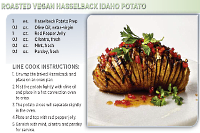
Recipe Mapping: Roasted Vegan Hasselback Idaho Potato and Mediterranean Seafood & Grilled Idaho Potato Salad
This month's article features two items supplied by the Idaho Potato Commission. Author Chef Tom Bruce of Central Coast Food & Beverage created the recipe mapping for these dishes.
-
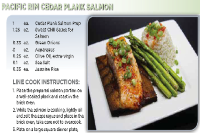
Recipe Mapping: Pacific Rim Cedar Plank Salmon and Paella Shrimp Salad with Roasted Onions
This month's article features recipes supplied by the National Onion Association and The Grill at Pine Mountain Lake. Author Chef Tom Bruce of Central Coast Food & Beverage created the recipe mapping ...
-
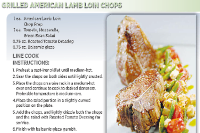
Recipe Mapping: Honey Maple Pulled Lamb Shoulder and Grilled American Lamb Loin Chops
This month's article features recipes supplied by the American Lamb Board, an industry-funded research and promotions board that represents all sectors of the American Lamb industry. Author Chef Tom Bruce ...
-
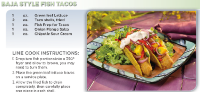
Recipe Mapping: Baja Style Fish Tacos and Ranchero Breakfast Burrito
This month's article features recipes supplied by the National Onion Association. Author Chef Tom Bruce of Central Coast Food & Beverage created the recipe mapping for these dishes.
-
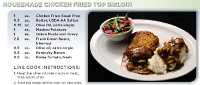
Recipe Mapping: Housemade Chicken Fried Top Sirloin and Crispy Winter Salad with Grilled Mango Chicken
This month's article features the last item from the 2019 road trip through the southern US, Chicken Fried Steak and a new menu item in development for an existing client. Author Chef Tom Bruce of Central ...
-
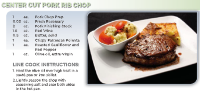
Recipe Mapping: Center Cut Pork Rib Chop and Cajun Style Shrimp Chicken and Sausage Gumbo
This month's article features menu items inspired by Dixie's Catfish Shack in Atmore, Alabama, near the Florida line. We met the owners while there, great people and great cooks! Author Chef Tom Bruce ...
-
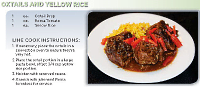
Recipe Mapping: Oxtails & Yellow Rice and Mojo Burger
This month's article features menu items Author Chef Tom Bruce discovered while on a three-month road trip from California to the Florida Keys. The Mojo Burger was inspired by Brutus Restaurant and Seafood ...
-
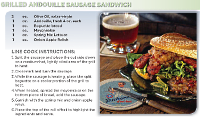
Recipe Mapping: White Bean Ragu with Smoked Pork Shank and Grilled Andouille Sausage Sandwich
This month's article features a white bean dish we're developing for a client and an andouille sausage sandwich submitted by the National Onion Association. Author Chef Tom Bruce of Central Coast Food ...
-
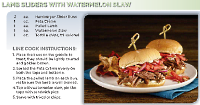
Recipe Mapping: Watermelon and Ahi Poke and Lamb Sliders with Watermelon Slaw
This month's article features two items supplied by the National Watermelon Promotional Board. Author Chef Tom Bruce of Central Coast Food & Beverage created the recipe mapping for these dishes.
-
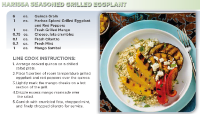
Recipe Mapping: Roasted Pickled Beet Salad with Fennel Slaw and Harissa Seasoned Grilled Eggplant
Information for this month's article was supplied by the National Mango Board. Grilled eggplant was created by Chef Dave Woolley. Roasted beet with fennel was created by Chef Nathan Lemley. The original ...
-
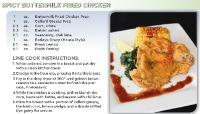
Recipe Mapping: Spicy Buttermilk Fried Chicken and Crispy Brussels Sprouts
This month's article features two items developed for the late summer/fall menu for the Grill at Pine Mountain Lake. Author Chef Tom Bruce of Central Coast Food and Beverage created the recipe mapping ...
-
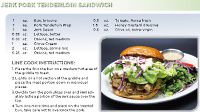
Recipe Mapping: Chilled Salmon Salad and Jerk Pork Tenderloin Sandwich
This month's article features a salmon dish courtesy of the National Onion Association. The jerk pork sandwich is being developed for a concept in the Sierras. A special thanks to Chef Raul Melchor and ...
-
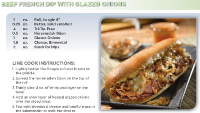
Recipe Mapping: Grilled Ahi with Pickled Ginger Onion Relish and Beef French Dip with Glazed Onions
This month's article features two items courtesy of the National Onion Association. Author Chef Tom Bruce of Central Coast Food and Beverage created the recipe mapping for these dishes.
-
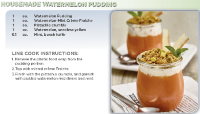
Recipe Mapping: Housemade Watermelon Pudding and Pacific Rim Grilled Watermelon and Pork Belly Salad
This month's article features two items courtesy of the National Watermelon Promotion Board with assistance from the Culinary Institute of America. ...
-
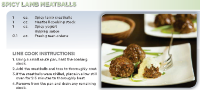
Recipe Mapping: Grilled Lamburgers with Lemon Rosemary Aioli and Spicy Lamb Meatballs
This month's article features two items courtesy of the American Lamb Board. Author Chef Tom Bruce of Central Coast Food and Beverage created the recipe mapping for these dishes.
-
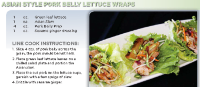
Recipe Mapping: Asian Style Pork Belly Lettuce Wraps and Spicy Avocado Toast with Shrimp
This month's article features two items under development for the Grill at Pine Mountain Lake. Author Chef Tom Bruce of Central Coast Food ...
-
Recipe Mapping: Hearty Southwestern Style Chicken Soup and Red Wine Braised Beef Shank with Parmesan Polenta
This month's article features two items Author Chef Tom Bruce of Central Coast Food and Beverage developed for a lodge concept in the California ...
-
Recipe Mapping: Mason Jar Cheesecake and Brick Oven Soy Citrus Chicken
This month's article features two items Author Chef Tom Bruce of Central Coast Food and Beverage developed for a lodge concept in the California ...
-
Recipe Mapping: Pork Tenderloin Stacker and Nutella Waffle
This month's article features two items Author Chef Tom Bruce of Central Coast Food and Beverage developed for a grill concept in the Sierra...
-
Recipe Mapping: Roasted Onion Meatloaf and Three Onion Chicken Pot Pie
Author Chef Tom Bruce of Central Coast Food and Beverage worked with the National Onion Association to "map" these savory recipes, perfect for ...
-
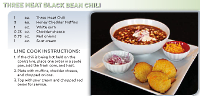
Recipe Mapping: Three Meat Black Bean Chili and Uptown Grilled Cheese
This month we're featuring items developed for a client opening a lodge concept in the Sierras. Tom Bruce of Central Coast Food & Beverage ...
-
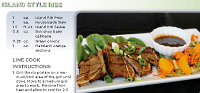
Recipe Mapping: Summer Power Bowl and Island Style Ribs
This month we're featuring items developed for a country club client's summer menu. Both are great hot weather items and easily paired with chilled wine or beer. Tom ...
-
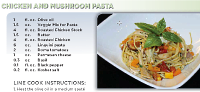
Recipe Mapping: Chicken & Mushroom Pasta and Three Salad Sampler
This month we're featuring summer dishes that can be served for both lunch and dinner. Tom Bruce of Central Coast Food & Beverage created ...
-
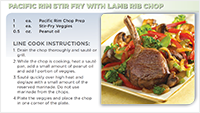
Recipe Mapping: Pacific Rim Stir Fry with Lamb Rib Chop and Crispy Asian Salad with Shrimp
This month's article features menu items from the American Lamb Board, more information is available at www.americanlamb.com. Tom Bruce of Central Coast Food ...
-
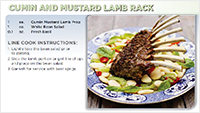
Recipe Mapping: Cumin and Mustard Lamb Rack and Rack of Lamb Tandoori
This month's article features menu items from the American Lamb Board, more information is available at www.americanlamb.com. Tom Bruce of Central Coast Food ...
-
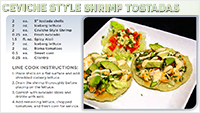
Recipe Mapping: House Smoked Rib Appetizer and Ceviche-Style Shrimp Tostadas
This month's article features menu items created by Tom Bruce, founding chef and owner of Central Coast Food & Beverage.
-
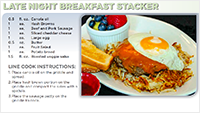
Recipe Mapping: Gulf's Best Bloody Mary and Late Night Breakfast Stacker
This month's article features menu items created by Tom Bruce, founding chef and owner of Central Coast Food & Beverage.
-
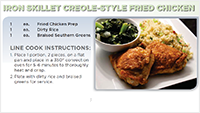
Recipe Mapping: Grilled California Swordfish and Iron Skillet Creole-Style Fried Chicken
This month's article features menu items created by Tom Bruce, founding chef and owner of Central Coast Food & Beverage.
-
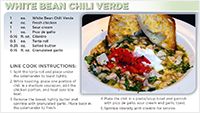
Recipe Mapping: Braised Short Rib and White Bean Chili Verde
This month's article features menu items created by Tom Bruce, founding chef and owner of Central Coast Food & Beverage.
-
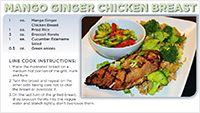
Recipe Mapping: Housemade Meatloaf with Roasted Veggies & Mango Ginger Chicken Breast
This month's article features menu items created by Tom Bruce, founding chef and owner of Central Coast Food & Beverage.
-
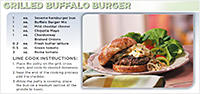
Recipe Mapping: Spicy Onion Panini and Grilled Buffalo Burger
This month's article features menu items from the National Onion Association, more information is available at www.onions-usa.org. Tom Bruce of Central Coast ...
-
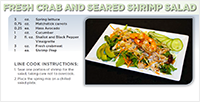
Recipe Mapping: Fresh Crab and Seared Shrimp Salad and Slow Roasted Chicken Breast
This month's article features menu items created by Tom Bruce, founding chef and owner of Central Coast Food & Beverage.
-
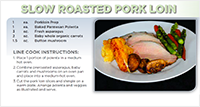
Recipe Mapping: Pork Tenderloin Scaloppini and Slow Roasted Pork Loin
This month's article features menu items created by Tom Bruce, founding chef and owner of Central Coast Food & Beverage.
-
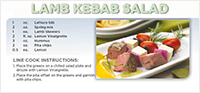
Recipe Mapping: Mediterranean Style Lamb Loin Chop and Lamb Kebab Salad
This month's article features menu items from the American Lamb Board, more information is available at www.americanlamb.com. Tom Bruce of Central Coast Food ...
-
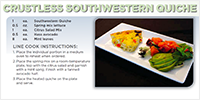
Recipe Mapping: Calamari Steak Lunch and Crustless Southwestern Quiche
This Month's article courtesy of Pietro's, Lodi, CA. Thanks to Pietro Murdaca and his staff for their assistance with the calamari entree. Tom Bruce of Central ...
-
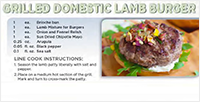
Recipe Mapping: Skewered Lamb Kafta and Grilled Domestic Lamb Burger
This month's article features menu items from the American Lamb Board, more information is available at www.americanlamb.com. Tom Bruce of Central Coast Food ...
-
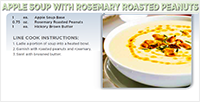
Recipe Mapping: Pork Fajitas with Apple Cilantro Salsa and Apple Soup with Rosemary Roasted Peanuts
This month's article features menu items from the US Apple Association, more information is available at www.usapple.org. Tom Bruce of Central Coast Food & Beverage ...
-
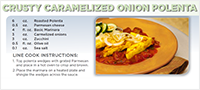
Recipe Mapping: Crusty Caramelized Onion Polenta and Paella Shrimp Salad with Roasted Onions
This month's article features menu items from the National Onion Association, more information is available at www.onions-usa.org. Tom Bruce of Central Coast ...
-
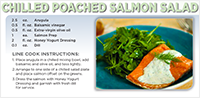
Recipe Mapping: Chilled Poached Salmon Salad and Grilled Portobello Salad with Honey Vinaigrette
This month's article features menu items from the National Honey Board, more information is available at www.honey.com/foodservice. Tom Bruce of Central Coast Food & Beverage worked with the National ...
-
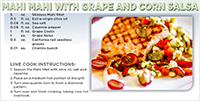
Recipe Mapping: Grilled Mahi Mahi With Grape and Corn Salsa and Shrimp and Grape Salad, Lemongrass Vinaigrette
This month's article features menu items from the California Table Grape Commission, more information is available at www.grapesfromcalifornia.com. Tom Bruce of Central Coast Food & Beverage worked ...