






Article
Startup Restaurant Kitchen Design Trends
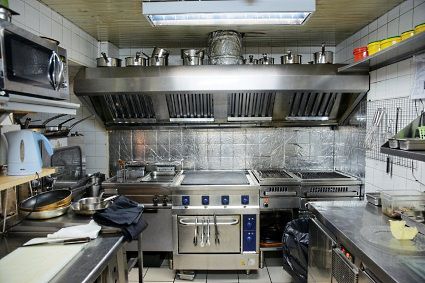
Expensive leases are leading many aspiring restaurant operators to shrink restaurant kitchens in an effort to fit into tighter spaces and maximize back-of-the-house resources. Notes Stephani Robson, a senior lecturer at Cornell School of Hotel Administration, independent restaurants are often "doing things on a shoestring." Thus, any way that restaurant

"Leases are such a huge obligation," adds Mark Godward, Principal of Foodservice Productivity Group (FPG) and a foodservice consultant for over 20 years. Noting that leases are usually one of the biggest fixed costs for restaurant operators, Godward says "if you can have a smaller production area you can get a smaller space and your leases are reduced."
With a smaller square footage, restaurant maintenance and utility costs shrink too. What's more, smaller kitchens need less stuff. With fewer lights, fewer prep tables, fewer gas and water lines -- and even fewer cooks on duty, Robson suggests - the cost savings multiply once operators start thinking small. For operators trying to eke out profit margins amid intense pressure from the competition, thriving with fewer hands on deck can make all the difference in the success of a new venture.
Learning Objectives:
By the time you've finished reading this article, you should be able to:
- Describe the trend toward smaller kitchens in restaurants.
- List the risks and downsides of smaller kitchens and ways to overcome them.
- Explain the importance of hiring a kitchen design consultant.
To Continue Learning