






Article
Moving Up: Turning a Line Cook Into a Sous-Chef
Developing your current staff is one of the most important and smartest things that you, or any restaurateur, can do. Finding good people is hard enough to begin with, and keeping them around can sometimes be even harder.
One of the easiest ways to attract the kind of workers you need is to be able to promise that the position you're offering them is not a stagnant, dead-end proposition. One way to keep them on your team is to make good on that promise. The best personnel want to progress through their careers by being given the opportunity to learn, grow and take on more and varied responsibilities. Hiring from within to fill midlevel management positions has many advantages over bringing in new people: You already know that they are reliable and get along with the rest of the crew; they understand the company culture, product and expectations; it's good for overall morale to see that hard work is rewarded; and lower training and administrative costs are some of the biggest.
Of course, if you haven't been successfully grooming your entry-level workers for bigger and better things, you won't have the option to promote a current employee rather than placing a want ad, culling résumés and being (not always pleasantly) surprised at who walks through the door for an interview.
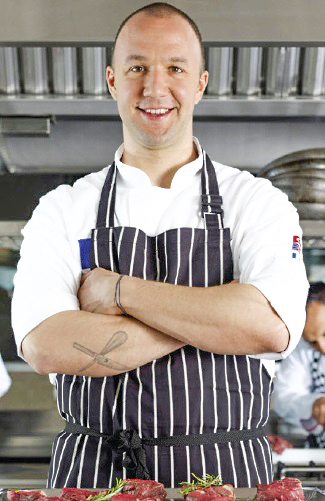
Hiring from within to fill midlevel management positions has many advantages over bringing in new people.
The position of sous-chef or assistant kitchen manager is one of the most important and common slots for a restaurateur to have to fill. Let's look at the kind of skills you should be developing in your cooks so that, when a sous-chef position opens, you'll already have someone who will be ready, willing and able to fill it.
The position of sous-chef is very much like the position of executive chef. "Sous" means "under" in French so, literally, the sous-chef is just below the chef in the pecking order of a kitchen. (In larger, more complicated situations, there may be an "executive sous-chef" working below the chef and over a number of other sous-chefs.) In any case, a sous-chef will be assuming some of the duties of the chef when the chef is not in the kitchen and, at the very least, ensuring that the chef's wishes are being carried out in part by doing them himself and, very importantly, by instructing and supervising the cooks and other kitchen workers.
To Continue Learning