






Article
A Premises Liability Primer for Startup Restaurateurs
You have a full house, and business is humming. The servers are cheerful and in control, check averages are better than average and tables are turning at a reasonable rate. It's a typical Saturday evening at your restaurant.
As you survey the dining room with satisfaction, your peace of mind is pierced by commotion in the parking lot. You rush out the front door to find one of your patrons clutching her ankle. She clearly had too much wine with dinner. Her concerned companions huddle around her to provide comfort and complain about the inadequate handrails at your business entrance.
Strong emotions course through your mind, including concern for your injured guest, regret that you did not anticipate this problem, fear of being sued, and sadness over an unexpected and disturbing situation. And you wonder if the restaurant's general liability insurance policy will cover any potential claims that might arise from this incident.
A restaurant owner, who is a business associate of mine, experienced a similar scenario not long ago. It resulted in a hefty claim against the restaurant's insurance policy, and an increase in the general liability insurance premiums.
You might well ask if they should even be responsible for such an accident. In this situation, like many cases involving injuries on business premises, determination of liability is based on a number of factual and legal issues. Volumes of legal treatises have been written on this subject, and countless lawsuits have arisen from these circumstances. What is clearer, for the purpose of this article, is that customer injuries in restaurants represent a significant number of insurance claims and lawsuits. All businesses that invite the public onto their premises, including restaurants, are becoming increasingly vigilant about potential sources of "premises liability."
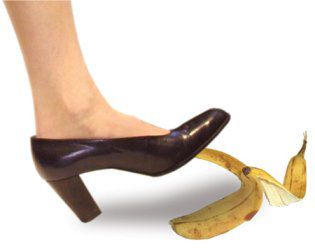
Injuries that result from persons slipping and falling at business premises are so common, "slip and fall" is a recognized category of lawsuit. While "slip and fall" sounds like a vaudeville act involving a clown and a banana peel, these cases often involve serious injury, and can result in huge settlements or jury awards. In fact, slip-and-fall injuries are the largest source of insurance claims and lawsuits brought by patrons against restaurants.
You cannot prevent all accidents and mishaps in your establishment, but with a little diligence and caution, you can fend off a great deal of potential liability losses. Certainly, the first and foremost rule is to carry adequate insurance to cover common losses and claims. That said, no business should rely exclusively on insurance coverage to defend against potential claims. A little common sense and understanding of the law of premise liability can help you keep your customers out of harm's way, or at least make it difficult for them to argue successfully that their injuries were caused by your negligence. At the very least, this will help minimize claims against your liability policy, and may keep your insurance premiums from soaring.
To Continue Learning