






Article
Beyond Salads: How to Make the Plant-based Menu Trend Actually Work in Your Concept
You can't check in with your restaurant industry social media feed without being barraged with news on "plant-based" menu options. Even Burger King is offering a non-meat Whopper®. In the United Kingdom, the vegan movement is mainstream. You can hardly visit any restaurant there without being confronted with a number of menu items developed to satisfy those who eschew animal proteins. The U.S. is not far behind.
Operators who are ahead of the curve on vegetarian and vegan menu offerings share how they leverage the upsides, including reaching a growing market and increasing profitability.

"Wonderful," you might think, as a startup operator. "I can lower my food costs on the back of this trend. Heck, steak and salmon filets at the center of the plate are expensive." And in some cases, vegetarian menu items generally have lower food costs. That said, as we will note, they can have higher labor costs and greater waste, which if not managed properly can make a rib eye seem like a better deal.
If your goal is to have a completely vegan concept to satisfy your personal dietary or philosophical preferences, that's fine. Just bear in mind, as we explain, even die-hard vegetarian restaurant owners understand that to be competitive they can't eschew animal proteins entirely. Not everyone in every party that comes to your restaurant is vegan. Someone might be in the mood for a pork chop, and you might not want to lose their business.
Your social media feed is telling you this is a trend not to be ignored. Our job is to explain what it means to your restaurant in terms of staying in business.
Learning Objectives:
By the time you've finished reading this article, you should be able to:
- Describe the market for plant-based menu offerings.
- Explain how to sell - and how not to sell - plant-based menu items.
- Explain the hidden costs of plant-based menu items and pricing considerations.
The Market
In 2018, Nielsen tracked consumer spending for the Plant Based Foods Association. They found consumer spending on plant-based foods was up 20 percent over 2017 numbers, versus a two-percent increase in retail spending on all food.
To Swiss investment firm UBS, this is only the beginning. UBS estimates market value for plant-based protein and meat alternatives will grow from $4.6 billion in 2018 to $85 billion in 2030, adding that real growth could be larger if consumer consumption patterns change. The market for alternatives milks - which include hemp, soy, almond, cashew, oat, and rice - is projected to be worth $37.5 billion by 2025.
According to The Hartman Group's Food & Technology Report 2019, 51 percent of consumers reported purchasing plant-based meat, milk or other dairy within the last three months. Fewer than half of those who buy plant-based milks said they were trying to limit their meat intake which suggests interest in plant-based alternatives comes from all corners, not simply from individuals who are eliminating animal-based foods.
The data is clear: consumers are changing their meat and dairy consumption, and savvy restaurateurs should consider ways to get ahead of the trend.
Meatless Monday and Beyond
Divorced from 1970's virtue vegetarians and angry vegans of modern memes, "plant-based" eaters tend to be flexible. Some dine as vegans would and avoid all animal products. Others prefer plant-based foods not always as a strict rule, but as a proportion, where meat, dairy and processed foods are eaten less often (if at all) and most foods are whole fruits, grains or vegetables.
While people approach plant-based eating from many perspectives - eating smaller portions of meat or avoiding it altogether - choices on restaurant menus are limited. At best, there's more than one vegetarian entree (which can be made vegan if need be). At worst, there's a single dish that suffices so long as the kitchen makes substitutions, such as leaving cheese or meat off a pasta dish.
"The stigma [of being a vegan] is melting away," says Soper-Kolton. Plant-based eaters are increasingly confident requesting a dish be made vegan, and widely believe they deserve more options on restaurant menus. It's only a matter of time until they vote with their wallets in favor of places where they can choose from several dishes.
It's worthwhile to understand why someone might want to enjoy plant-based foods so you can better serve these diners. Reasons for reducing or eliminating meat intake are highly personal, but there are common motivators.
Studies demonstrate the adverse health effects of a high-meat diet and the positive health effects associated with both vegetarianism and traditional diets that are low in meat consumption (such as the Mediterranean diet). As noted on the Harvard Health Blog, affiliated with Harvard Medical School, vegetarianism increases longevity and reduces the risk of diabetes and high blood pressure; the Mediterranean diet (and others like it) reduces the risk of heart diseases, metabolic syndrome, and certain types of cancer.
Chef Linda Soper-Kolton, who runs the cooking program at the Catskill Animal Sanctuary in Saugerties, New York, and is lead author of the vegan cookbook "Compassionate Cuisine" along with Chef Sara Boan, feels like chronic disease is at a tipping point in the U.S., where everyone now seems to know someone who suffers from a chronic condition such as high blood pressure, heart disease, or cancer.
Says Soper-Kolton, "There's this groundswell of people saying 'this is not right.' The prescription for good health doesn't come out of a bottle, it comes out of mind, heart and good common sense. Chronic disease can be prevented or reversed by what you put in your mouth"--and the realization sparks an interest in healthy eating.
An Old Hippie Turns Establishment
"I'm definitely an old hippie," says Raleigh, North Carolina restaurateur Arthur Gordon. The owner of Irregardless Cafe, which was Raleigh's first vegetarian cafe when it opened in 1975. "You know, 'Make Love Not War' and take care of the planet. I still believe those two things."
Gordon expressed amusement when he adds that, "I started out as a counterculture contrarian and now after forty-five years I've become the establishment."
Irregardless Cafe has changed since the seventies: The menu is omnivorous (though still packed with veg-friendly favorites) and Gordon himself follows a pescatarian (fish is allowed) diet. Yet the Raleigh restauranteur's enjoyment of plant-based foods has gone mainstream in recent years.
Alternatives that mimic traditional foods (like veggie burgers) are nothing new, but the current generation of VC- funded plant-based processed foods has captured attention from media and investors alike. Shares of Beyond Meat, the company responsible for the Beyond Burger - which, incidentally, costs roughly twice as much per-pound as ground beef - rose over 22 percent in July.
While fast food chains may have fallen for plant-based burgers, they're not an ideal long-term solution for most restaurant operators. As Soper-Kolton explains, "often what happens for most people is [things like veggie burgers or tofu sausages are a transition food. Not many people subsist on a diet of those things because it's processed [and it's] not good for you."
If your concept is a burger bar, then it could work - but even then, Gordon explains, "It's trying to taste like meat, and if you're being a vegan, you're trying to get away from it tasting like meat." While Gordon admits he serves some of those products, he's not a huge fan - and he doesn't think those products are any healthier than meat, because they're often loaded with fat.
So what do you serve plant-based eaters that will satisfy? That can be tricky.
Plant-Based Menu Planning
Soper-Kolton recommends restaurant operators consider the neighborhood vibe when planning a menu. Thus, a plant-based restaurant near a barbecue joint, or other indulgent foods, might find success with rich menus that appeal to area tastes and allow operators to "be part of the game and not sit on the sidelines," over focusing on lighter fare, such as wraps or salads.
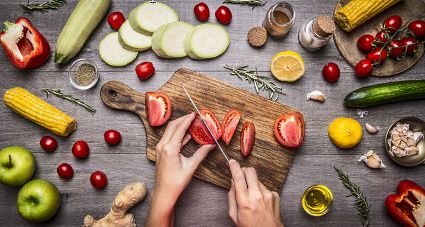
There are several approaches that work, but it all depends on your concept. Some restaurant operators will want to add a vegan protein option to build-your-own meals, like grain bowls or burritos. It's simple and inexpensive and allows the diner to select what they're in the mood for, be it chicken or chickpeas. Other operators might find the creaminess of cheese suits their concept; but note where items can be prepared vegan upon request - again, simple swaps.
There's a mental challenge when planning a vegetarian dish, because you can't use the meat/starch/veg formula. "If I take away the piece of meat on my plate, how do I design my plate?" asks Soper-Kolton. "Giving up animal ingredients was a pathway [for me] to be curious about all the ways I could still feel satisfied by discovering different flavors, textures, vegetables and ingredients that don't have to be expensive or unusual."
For menu inspiration, Soper-Kolton says she looks at what people want to eat and asks how she can create something similar to entice her, her family, or her customers. The initial inspiration can be from anywhere and doesn't need to be meat-free.
She advises restaurant owners to "look at what you do and think about simple replacements that could create a similar dish that's plant-based...just replace and recreate things" to keep the flavors intact. One example? "I'm making meatballs for a party and I'm going to use mushrooms and lentils. People love it and the texture is not the same as a meatball, but you enjoy the beauty and difference in things."
No Free Lunch
Gordon cautions that "a vegetarian menu means you have to have pre-planned what the menu needs to be much earlier in the day, because it takes a lot longer to prepare the food." Take eggplant parmesan, a vegetarian comfort food. "You can't go to your suppliers and take something value-added, like sliced eggplant. It takes labor to peel, slice, and salt the eggplant to remove bitterness, [and then] bread it. Then you ask, 'Should it be gluten-free? Should I use nutritional yeast instead of parmesan?' There are lots of little techniques that become clear after you've done it awhile, but you won't find [them] in cookbooks."
When developing plant-based menu items, keep taste and texture front of mind. Look for proteins that are flavorful on their own and happen to be plant-based: beans, nuts, seeds or lentils. Above all, as Soper-Kolton says, "food has to taste good. It's a pleasurable experience!"
An element of a dish that operators often overlook, but which Soper-Kolton says can be key to a pleasurable dining experience is the name.
With plant-based cooking, "it's tough to get away from the idea that we're creating things that are less than the original," she says. "If I say 'crab cake' in quotes, it's not a crab, it's a substitute. My thinking is, you don't want to imply it is fake or a replacement or a substitute, but to remove yourself from that. Don't call it a 'crab cake' in quotes, call it a Chesapeake cake, so you let people know what to expect with a flavor profile."
Regarding menu placement, some audiences might prefer a dedicated plant-based section; they'll skim their options and pick what sounds best. For other concepts, "mixing in these dishes with the main menu and having those indicators (a V or a leaf) so it's just as equal as everything else but you can tell it apart seems to be the trend that makes people feel supported," says Soper-Kolton.
Selling a Plant-Based Menu
When Gordon first opened Irregardless Cafe, he was "trying to give people here in the South who traditionally were eating foods that are on the heavier side, people who would never think about eating a vegetarian meal, at least an option of trying it." He started with dishes that might appeal to omnivores, like eggplant parmesan, but says, "I started to realize we weren't doing people a heart-healthy favor" with all that dairy.
When I had my cafe, my thrust was organic and local and that comes at a higher price point, but people were willing to pay that because they believed in the authenticity of what I was doing, says Soper-Kolton, who adds that her cafe was in an area frequented by health-conscious people who could afford it.
Gordon estimates he's added another protein every seven years; beginning with fish. In 1994, "after a fire when we were in debt," beef made it on the menu. Nowadays, Irregardless Café' appeals to carnivores, omnivores and herbivores, intentionally.
As Gordon explains it, "usually Dad pays the bill, so you want to make sure he has something on his agenda as well." That's the beef. The wife appreciates the skill of making a veggie-based meal taste good. "Often the younger generation are really orienting themselves much more toward a plant-based diet, so the children and wife have choices that are not just pasta without the chicken in it. The final product is meant for someone who did not want to substitute meat."
There's often a public perception of vegan or vegetarian restaurants as either elitist or earthy-crunchy, and these stereotypes can impact customer experience. Gordon recommends operators downplay a moral angle and, on the menu and the server's description, focus on freshness and flavor, which is a competitive advantage of plant-based restaurants, provided the chef knows how to take advantage of it.
"The flavors that come from a vegetarian menu are outstanding," Gordon says. "Delicious tomatoes, basil; and the thrill when the first watermelon or corn comes in for the season." Here again, the focus is on what's present on the plate, and not missing meat or dairy. Approach plant-based dishes as a celebration of those ingredients, pure and simple, and you've got a formula that works for any concept.
Pricing Plant-Based Dishes
Diners who eschew meat often expect to pay less for their meals, because they know meat costs more than vegetables and grains.
In reality, it's not that simple.
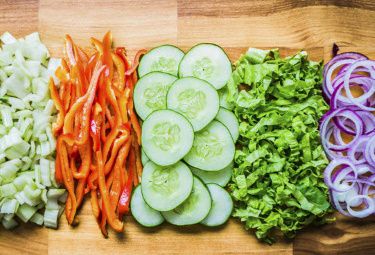
Compared with animal protein, a vegan dish requires more labor and more waste: You're paying someone to clean, cut and portion veggies; to roast, grill or sauté' them; and to assemble multiple components in a dish. It's much easier to sear a duck leg and plate it up with a root vegetable puree, by contrast.
The analogy extends to casual concepts. A beef patty is simple, but a veggie burger is deceptively complex: for a house-made black bean burger, you'll need to cook beans, grains, vegetables (or all three), season the mix, and perform serious recipe testing until you have something that won't fall apart on the grill. As both Soper-Kolton and Gordon admit, there's a certain amount of trial and error to learn how to make plant-based meals taste good.
The higher labor costs of plant-based dishes may be offset by a reduced food cost, giving operators some margin. Gordon credits his restaurant's longevity with the low price of produce - "Irregardless's food cost is less than 25 percent, which includes the chemicals and paper supplies we use for takeaway, and most of my competitors would be tickled to death if they could get below 30 percent," he boasts.
With a lower food cost, he says, operators can have the higher labor cost needed to get the basic product out to consumers at less than 60 percent of cost. If farm-fresh or organic produce is important, food costs may not dip. When vegetables are the main focus, their quality is paramount. That means finding reliable suppliers who grow not only cosmetically perfect produce but unusual or heirloom varietals, which command a higher price.
Cost out the ingredients and labor for comparable vegan and meat-based entrees, as J. Kenji López-Alt does at Serious Eats, and the math becomes clear for operators. Plant-based meal costs can rival the prices of meat-based dishes. As chef Tony Maws explains, while the math might be clear, prices need to make sense to the customer. That's basic business. So you might take losses where you can because customers really love a dish, and you'll make it up on other dishes that cost less to produce, like Gordon's eggplant parmesan.
"When I had my cafe, my thrust was organic and local and that comes at a higher price point, but people were willing to pay that because they believed in the authenticity of what I was doing," says Soper-Kolton, who adds that her cafe was in an area frequented by health-conscious people who could afford it.
Cornering that niche led Soper-Kolton to a new career: Her core audience of health-conscious eaters and people with dietary issues needed to eat a certain way, but weren't sure how to cook for themselves. "What I found with folks who were coming to me [was] I wanted to teach them how to cook, so I ended up teaching classes at night when I closed." She enjoyed teaching so much that she closed the cafe and found the position at Catskill Animal Sanctuary, which allows her to teach cooking classes.
While pricing is a challenge, it also provides you with opportunities to serve a targeted niche. Once word gets out about your incredible vegan foods, you may become the new community gathering place or see increased demand for catered meals. Specialty foods, t-shirts, and other products pad revenue.
In addition to his cafe and catering business, Gordon has a 1½ acre Well-Fed Community Garden, which hosts events, from outdoor cooking classes to an annual blackberry festival. The events bring in revenue, and Gordon uses the garden to grow things like edible flowers and microgreens - "terrific items, but high end, and when you grow [them] for yourself, you can take advantage of markup," he notes. Currently, Gordon is constructing a high tunnel (unheated greenhouse), which he estimates will quadruple the harvest.
For Gordon, the biggest reward isn't the produce, but the joy of getting people in touch with the food supply. "It's an incredible healing process when people see where food is being grown and walk on the earth," he says. "Unless we go to the beach, we aren't touching the ground anymore. The benefits aren't necessarily producers of big money; however, in the current market they can build your brand with younger diners. "I sleep well at night, [it's] a lot of intangibles that each restaurateur has to translate for himself."
Here to Stay
Soper-Kolton sees the money going into new plant-based products and the flood of new products as proof of market demand, and the data bears that out. Plant-based dining is here to stay, and "a responsible thing to be doing is considering 'how can I do this in some small way on my menu?'"
While Gordon admits his good fortune in enjoying a 45-year-and-counting restaurant business, it's not all about the money. "If it was just to make money, I highly recommend hot dogs, hamburgers and a bar," he says. "But, then, you aren't doing anything at all to encourage the health of the community."
Although it's not without challenges, Gordon recommends restaurant operators find more ways to serve plant-based diners. "it gives you an advantage," he notes, then goes on to offer several. "It's a fresher, less expensive product to sell today, and places you in a good place for the future from a point of view of health, economics, global warming."