






Article
Choosing the Right Fryer Can Fatten Your Profits
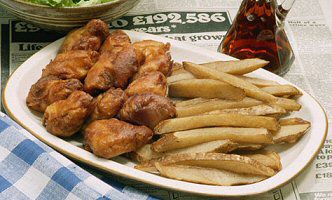
Fried foods are an immensely popular item on the menu of many restaurants, and the range of fried foods served continues to grow. Beyond the ubiquitous chicken, fish, french fries and onion rings, establishments across the country have expanded their offerings to include an astounding array of appetizers and entrees from shrimp, clams and calamari to mozzarella, mushrooms, peppers and zucchini.
In this article, we'll look at the equipment required in preparing these important menu items, and the many options and considerations in choosing the right fryer.
How Fryers Work
A basic fryer seems like a simple enough piece of equipment. The primary feature is the tank -- often called a "kettle" or "fry pot" -- which holds the cooking oil, and is heated by an electric or gas-fired element. A thermostat controls the heating element to maintain the proper temperature (typically about 350 degrees Fahrenheit), and a high-temperature-limit safety switch shuts off power to the heater before the temperature reaches the ignition point.
The design of the kettle is important to the cooking process. The process of frying food relies on the convection or flow of the oil around the food. As moisture in the food is heated, it is vaporized and forced to the food surface. As the water vapor turns to steam and bubbles away from the surface of the food, hot oil rushes in to take its place. This bubbling action creates a puffed, crisp texture to the surface of the food. The kettles are often designed with adequate depth to which food particles that separate from the main product fall and collect in a "cold zone" area at the bottom of the kettle. This helps prevent carbonization of the food particles, which would otherwise lead to undesirable flavors.
Despite the apparent simplicity, a variety of sizes, styles, capacities, materials and options make choosing the right fryer a bit more complicated than it would appear at first blush.
To Continue Learning