






Article
Start With a Clean Plate: The Dirt on Dishwashers
I remember clearly my first job in a restaurant. I was just 16, eager to learn and earn, and the chance to work at the nicest restaurant in town was a welcomed opportunity. I would do whatever was needed: set tables, bus, unload deliveries, or anything else that was asked. Sometimes on a bustling Friday or Saturday night, I'd help out in the kitchen doing everything from loading salads in the cooler to washing dishes.
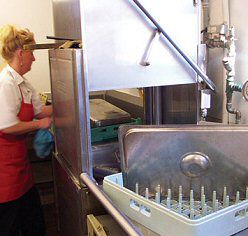
Dishwashing was hot and dirty work. The bussers would drop off their buckets of dishes, and I'd scramble to scrape them, rack them up, spray them off, slide in the racks and lower the hood. All too often, dishwashing was at the crux of the kitchen madness. Buckets would stack up, and I'd be dancing at a fevered tempo to move the mounting mess through the machine. The dishes wouldn't even have time to cool before the bussers would spirit them back to the dining room for the next setting. And if the dishwasher ever failed, night turned to nightmare.
Choosing and using the right type of warewasher (a.k.a. dishwasher) is important for any type of restaurant operator. If there's one thing that will turn customers off before they even get a chance to order, it is dirty dishes or flatware. More than just provide clean, sanitary dishes, the right dishwasher will do the job quickly and efficiently, matching the flow of food and customers, and consuming only the minimum resources required. In this article, we'll explore the various types of dishwashers, and offer guidance on choosing one to fit your needs. We'll review the care and use of dishwashers, and focus on important safety considerations.
To Continue Learning