



Best Practices
Bad Portioning Is Bad for Business: Here's How to Improve It Immediately
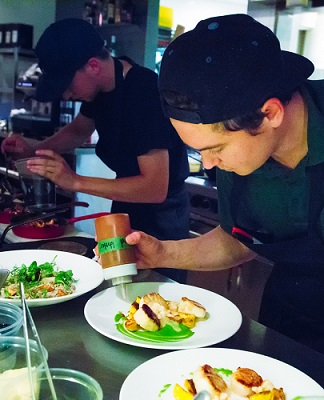
With the high cost of food products, thin profit margins and increasingly price-conscious guests, the last thing your restaurant needs are sloppy portioning practices. Product portioning affects your guest experience, food quality, food cost, and directly impacts how much profit you make.
When a guest receives a smaller salmon filet than the person across the table or a down-sized serving of pasta when generous portions have always been the norm, they notice. And even if they don't say something, they feel shortchanged. Improper measuring of ingredients changes the recipe and robs guests of what they want more than anything else – consistency! The same taste and flavor experience they had the last time.
Consistently over-portioning a $6-per-pound product by just half an ounce adds nearly 19 cents to the cost of every serving. If you're serving 100 portions a day, that's about $133 in lost profit each week—or nearly $7,000 a year. And that's from just one item.
Proper portioning tools are among the best investments you can make. Do not skimp on ladles, scales, and slicing equipment that allows kitchen staff to easily and effortlessly portion ingredients accurately and consistently. Modern digital scales are portable, easy to read, and have automatic counting functions that can be equipped with push-button or hands-free tare capabilities - this allows for zeroing out the weight of containers or individual ingredients. Ensure there is no shortage of low-tech gear, such as portioning scoops, cups, ladles, and baggies. When kitchen staff do not have these tools in easy reach, they will try to “eyeball” portioning, which leads to errors.
"Portion control isn’t just a kitchen skill—it’s a bottom-line strategy."
- Danny Meyer
Inspecting portion accuracy should be a key part of the expeditor’s role. Your “expo” ensures that menu items are properly prepared and presented before they are delivered to the guest. Encourage your expo to instruct the kitchen to correct an item that appears under- or over-portioned.
Determine the quantities needed for each side dish, sauce, garnish, and anything else your crew will need to produce the menu. And then provide that information in an easily accessible portion control notebook for reference. You might also accompany that information with a photograph of how each properly portioned item on your menu should appear.
Related Resources
The Basics of Portion Control... What Everyone in the Kitchen Should Know: In this BOH training video, you'll learn tools and techniques that will help you implement consistent and repeatable portion controls that will help you excel in your job and keep your restaurant successful.
Food Cost Control Strategies: This resource outlines strategies to maximize cost control during food preparation and service, emphasizing the use of standardized recipes, service controls, and cost procedures to achieve optimal efficiency and profitability.
How to Know What Your Food Cost Should Be: In this course we'll show you how to establish your realistic target food cost – what we call your "Ideal Food Cost".
Upcoming Webinar
-

Webinar/Podcast
From “Every Shift is Different” to Consistent Execution Closing the Systems Gap
This webinar is for operators who want consistent results by building clear systems that reduce chaos, protect margins, and scale execution.



