






Article
Bake Bread or Buy It? - Pros and Cons
Ah … bread. A basket full of life's sustenance, served with sweet butter, extra virgin olive oil or tapenade, and the cost doesn't appear on the check. How restaurateurs love bread.
Truth is, the guests love bread. They expect bread. It shows up at the neighborhood family eatery in the guise of warm soft rolls along with assorted crackers and a mini bagel and at the fancy downtown restaurant in the form of freshly baked baguettes.
Bread is every restaurant's cross to bear, which means operators need to figure out how to make it cost-effective. But what's better for the operation: baking, buying or perhaps both? The answer lies with the restaurant's concept, price point, guest expectations, and the axiom "if you can't make it better, than buy it."
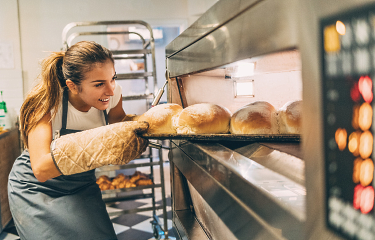
When a reservation is made a month in advance at Restaurant Alain Ducasse in New York, no thought should be given about the quality of the bread. The bread is baked in-house. In fact, someone in the kitchen is assigned to bake bread and only bread. The same expectation doesn't apply when a family of five drops in at Macaroni Grill for an early dinner. The breadbasket should be fresh and fair as it pertains to the prices paid by the patrons.
But bread is not always that cut and dried. Many places are on the fence about bread, and many of them are upscale fine dining restaurants that, for the most part, make everything from scratch. They have a pastry chef. Pasta is homemade, and they even cure their own fish. The expectation is high, and the entire product has to live up to the big ticket that comes at the end of the meal. It's not a $500 or $600 meal for two, but with a drink and a glass of wine, the tab may push $70 or $80 per person. So the bread has to be good, maybe even great.
To Continue Learning