






Article
Food Storage and Handling - Breads
Ingredient shelf life can give chef and kitchen managers plenty to worry about. Seafood can spoil food cost in a hurry. Fowl goes afoul if not used in due time, and produce -- from the tender tops of asparagus to the thin skin of a tomato -- needs special attention for proper storage and handling.
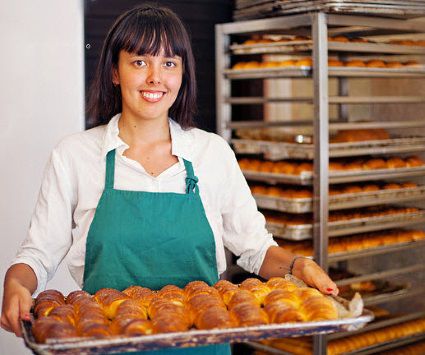
But the foodstuff that probably gets the biggest rise out of chefs and kitchen managers is bread. Its shelf life is little to none. Fresh bread has to be just that -- fresh.
The best restaurants bake their own bread once a day or twice a day for each service, lunch and dinner. These four-star dining rooms that bake as-needed also have the advantage of knowing the amount they need. They know almost exactly the number of covers that walk through the door each day.
But for the bulk of the dining operations, kitchen managers are constantly adjusting purchasing, checking usage, and trying to find uses for leftover bread that never seems to go away. However, running a dinner-only concept that might offer only French baguettes makes for a relatively easy bread control.
Proper storage and handling, however, becomes a must when a lunch menu entails multiple sandwiches and bread combinations and then dinner calls for rolls. Lean, crusty breads need to be stored differently than soft, enriched breads. To preserve the crustiness in lean breads, store in paper and make sure to serve the same day otherwise they will become stale. To best preserve freshness past the first day, wrap in plastic wrap and freeze. If portioning is important, slice, wrap individually and then freeze.
To Continue Learning