




Best Practices
How to Properly Wash Fruits & Vegetables to Help Avoid Getting Sick
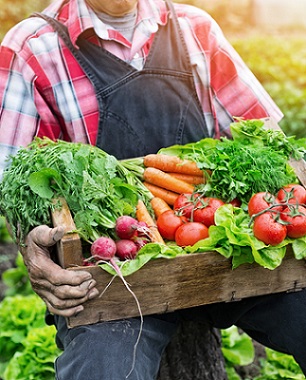
Fresh produce is a cornerstone of many restaurant menus, but recent events have reinforced just how critical safe handling practices are. In July 2026, federal health officials investigated a multistate outbreak of Cyclospora cayetanensis, a foodborne parasite that can contaminate fresh produce through tainted water or poor hygiene practices.
For independent restaurant operators, outbreaks like this are a powerful reminder that food safety extends far beyond cooking temperatures. Because many fruits and vegetables are served raw, proper receiving, washing, handling, storage, and employee hygiene practices are critical to preventing contamination and protecting guests from foodborne illness.
Follow this six-step guide to help ensure your fresh produce is safe:
- Always work on clean surfaces. Before touching produce, all workstations, cutting boards, and utensils should be cleaned and sanitized. Avoid cross-contamination by ensuring that fresh fruits and vegetables never touch surfaces that have been in contact with raw meat, poultry, or seafood.
- Practice frequent handwashing. Parasites, like Cyclospora, are easily transferred to food by contaminated fingers, so handwashing is a most important line of defense. Always wash the palms and tops of the hands all the way to the wrists vigorously with soap and warm water for at least 20 seconds before beginning to prep food.
- Rinse the produce under running water. Always wash produce, especially leafy greens, thoroughly under running, drinkable water. This step is essential before cutting, cooking, or combining it with other ingredients. One important tip: make sure the running water is slightly warmer than the temperature of the produce.
- Pay extra attention to leafy greens. Pathogens can easily be hidden in the folds of leafy greens like lettuce and spinach, so peel off the outer leaves first to clean them properly. Also, pull the greens all the way apart so you can rinse every part thoroughly under the running water.
- Soak the produce carefully. When soaking produce or storing it in standing water or an ice-water slurry, never mix different types or multiple batches of the same item together. Mixing items in standing water can easily allow pathogens to spread from one contaminated batch to the clean produce.
- Refrigerate cut produce carefully.Once the produce is washed and cut, it is considered “ready-to-eat.” Fresh-cut produce, such as sliced melons, cut tomatoes, and cut leafy greens, must be promptly refrigerated and held at 41°F (5°C) or lower to prevent any surviving bacteria from growing. Keep unwashed produce separated from ready-to-eat foods.
" Food safety starts long before food reaches the plate. Consistent produce-handling practices help restaurants reduce risk, protect their reputation, and keep guests safe."
- RestaurantOwner
Note: Washing fruits and vegetables under clean, running water cannot guarantee removal of the parasite, but it remains an important food safety practice. The CDC and FDA recommend that cooking vegetables to a temperature of at least 158°F is the safest option.
To learn more, visit ServSafe.com or call Customer Care at 1-800-765-2122
Related Resources
How to Properly Wash Fruits & Vegetables to Help Avoid Getting Sick Here are six steps certified food safety managers learn to help keep produce safe.
Fundamentals of Proper Hand Hygiene: While hand washing may seem like common sense, reinforcing it helps new employees build strong habits and keeps food safety top of mind for experienced staff.
Foodborne Illness Outbreak Response – Insights from the Experts: Each speaker will tap into their extensive experience in leading and conducting outbreak investigations to demystify the process and, more importantly, help operators prevent outbreaks.
Upcoming Webinar
-

Webinar/Podcast
RO Quick-fire Q&A Rapid-fire answers, fresh features, and new content - served hot in 30 minutes
Join the RestaurantOwner.com team for a fast-paced, operator-focused session designed to keep you informed and empowered.



